
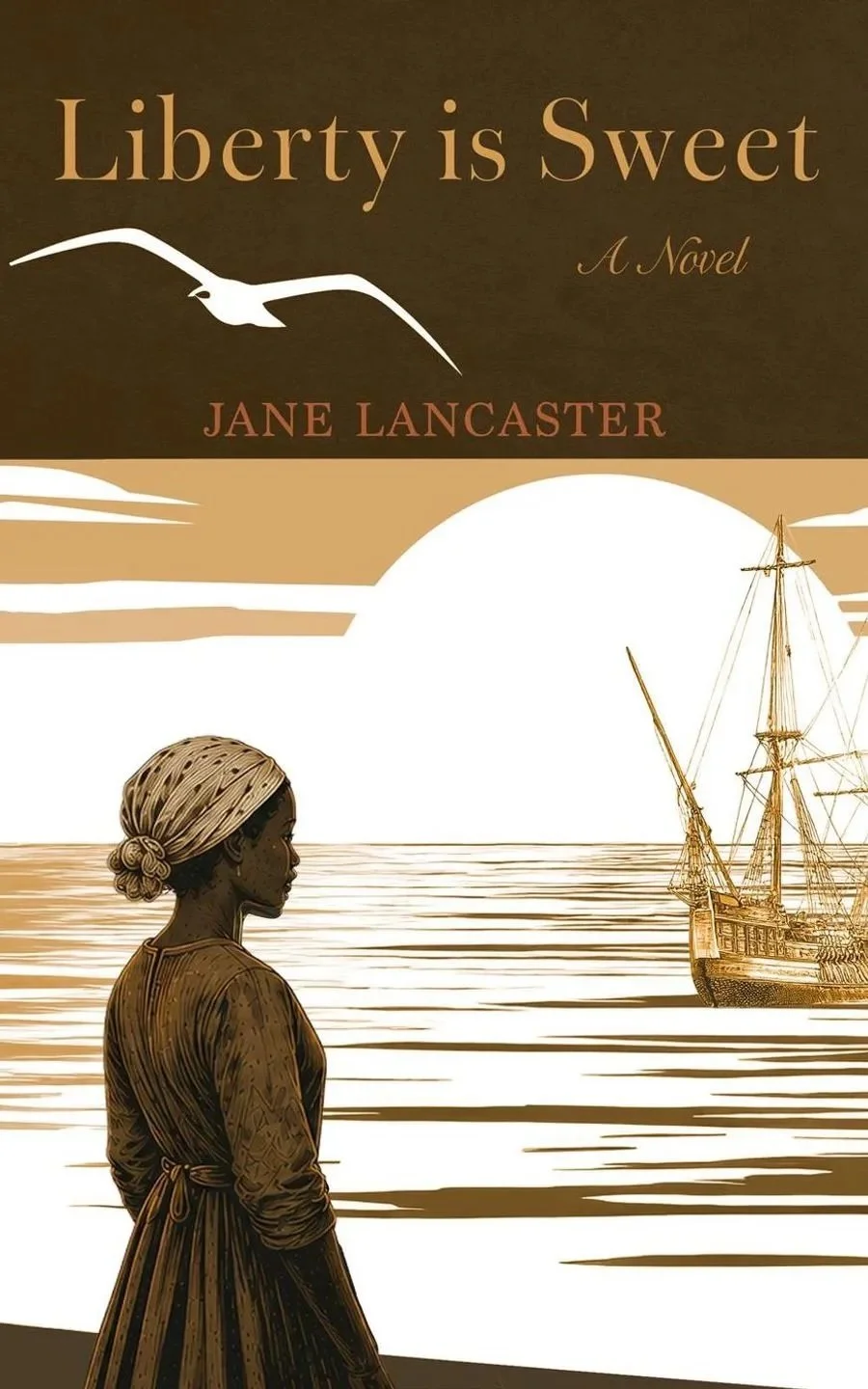
• Was Freedom Sweet? The Travels of Arthur Bowler, Black Loyalist: a Book Talk with Jane Lancaster

    The Vernon House 46 Clarke Street, Newport, United States

    This book talk from author and historian Jan Lancaster will share the story of Arthur Bowler, an enslaved African, who lived in the house later called the Vernon House for at least a decade — before Cato Vernon’s time. She’ll discuss the clues available about his life in Newport, and his subsequent life in Portsmouth, New York, Nova Scotia and Sierra Leone. As a so-called Black Loyalist his life followed a very different trajectory from that of Cato Vernon.

  • Reflections on Soul Value and Research-to-Performance Method Writing: a Conversation with April Brown and Jessica Pearson

    Soul Value is an interdisciplinary, duet performance project created by April H. Brown and Jessica T. Pearson which brings to life the stories of New England Black women—Elleanor Eldridge, Elizabeth Freeman, and Margaret Kinnicutt—and the men of the 1st Rhode Island Regiment during and after the American Revolutionary War. Through a compelling blend of monologue, dance, ritual, and song, Soul Value illuminates the often-overlooked contributions of Black and Indigenous people in New England history, centering their advocacy, resilience, and determination to survive and thrive. The work invites audiences to engage with a more complete and inclusive understanding of the American story while creating meaningful connections between the past and the present.

  • Finding Cato Vernon in Photography Artist Talk with Dominique Sindayiganza

    The Vernon House 46 Clarke Street, Newport, United States

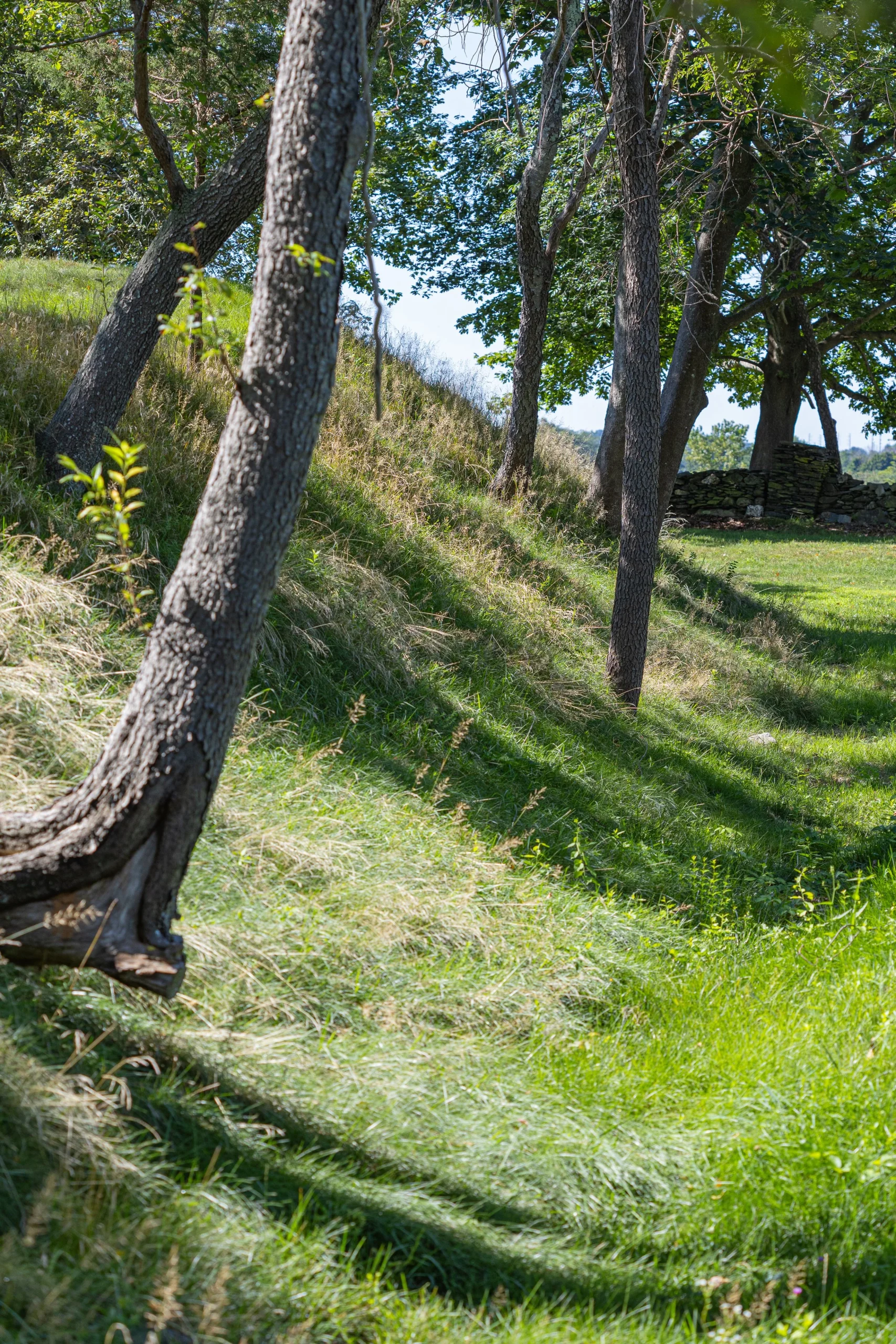
    While creating the Cato Vernon Freedom Library, Lead Artist and Photographer Dominique Sindayiganza visited sites in Rhode Island where Cato Vernon may have been. As he photographed these places which are now often manicured, leisurely, and serene, he wondered what Cato’s view would have been — did this tree see Cato when it was an acorn? Does the mitochondria still hold his memory? Despite the peace of these places today, Dominique imagined the battlefields, enslavement, imprisonment, and war that Cato would have seen. The more images he took, the more he felt Cato Vernon.