Background
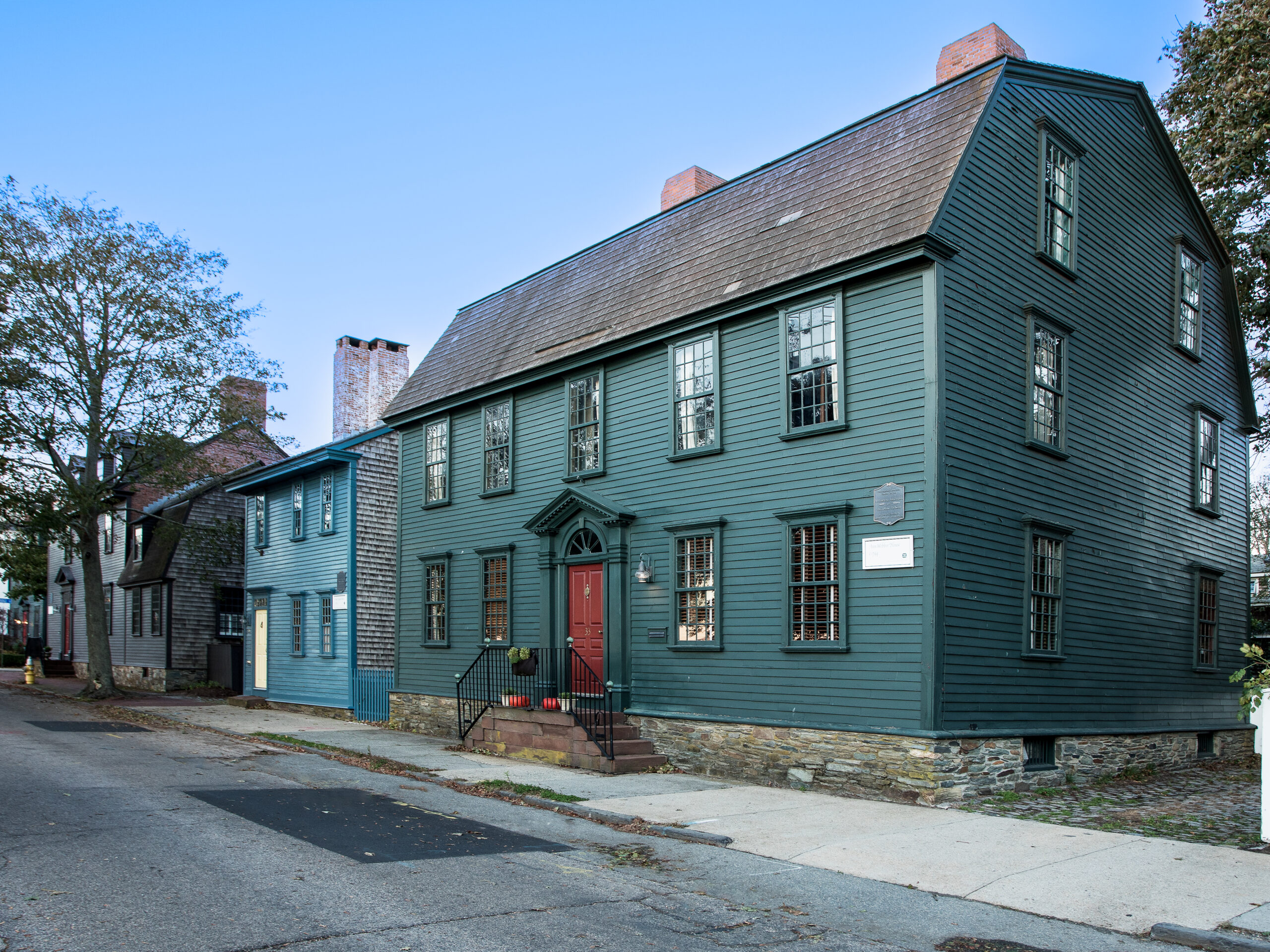
Following founder Doris Duke’s vision of preserving and restoring the architectural and cultural heritage of Newport, the Newport Restoration Foundation stewards over 80 historic buildings on Aquidneck Island, with many centered in historic Newport neighborhoods.
The core of our work has always been sustainability, resiliency, and livability—and this means that we advocate for best practices in historic preservation that help support a more vibrant community. Historic buildings comprise materials from many eras, including those that over time are found to be harmful to human health and the environment. In stewarding our portfolio of historic properties, NRF thoughtfully identifies alternatives to those outdated building materials that balance historic character and livability.
We are committed to the stewardship of the buildings in our care and the health and safety of the people who maintain, restore, live in, and visit the buildings.


How recent lead laws impact your community
The Rhode Island Lead Hazard Mitigation Law of 2002 requires owners of rental properties built before 1978 to have a Certificate of Lead Conformance (CLC). Historic properties are not exempt from this requirement. Recently, in an effort to protect the health and safety of Rhode Islanders, state lead paint laws were expanded to include a registry of rental properties with lead paint.
NRF supports this goal and is actively working to bring NRF homes into compliance. We are carefully working to to address public health needs while honoring our responsibility for the stewardship of the historic places in our care.
NRF’s role & guidelines to protect historic fabric through the lead mitigation process
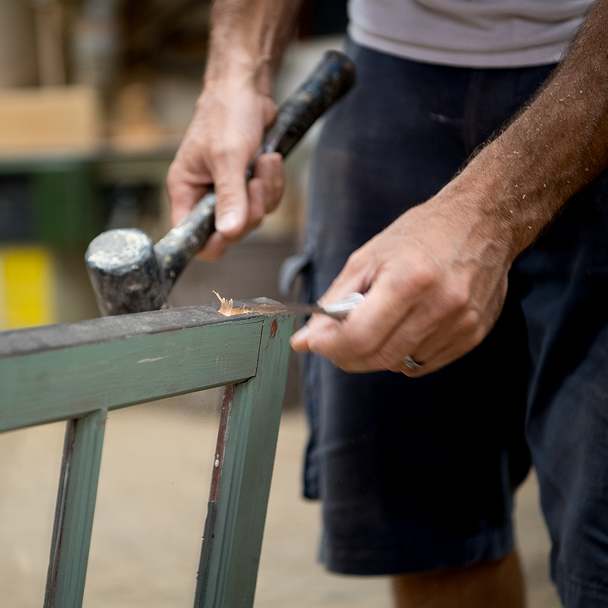
To navigate this complicated process, we have been working with the City of Newport and Heritage Restoration, Inc., a nationally-recognized preservation firm, to develop a series of guidelines to help historic homeowners, cultural organizations, and contractors better understand how to confidently and safely address lead remediation in their own properties while retaining the historic features of the buildings.
In our role as homeowner, historic trade advocate and landlord pursuing lead compliance, NRF is uniquely positioned to research and advocate for the safe, continued use of historic wood windows—not only within the NRF portfolio but also statewide.
We believe that it is vital to advocate for the preservation of historic fabric, as these places with significant pasts are what help enrich our communities today and ensure a more sustainable future.


Using the Lead Paint Adaptation and Mitigation Strategies for Historic Windows
The Lead Paint Adaptation and Mitigation Strategies for Historic Windows resource is the result of a collaboration between the Newport Restoration Foundation and the City of Newport to promote accessible adaptation and mitigation strategies for the safe, affordable, and continued use of lead hazard windows rather than their removal and disposal. The handbook consists of two sections: the Homeowner User Guide to help homeowners understand the lead compliance process and tactics to adapt wood windows, and the Contractor Manual which describes the regulatory laws and physical process to allow wood windows to operate lead-safe.
The Lead Paint Adaptation and Mitigation Strategies for Historic Windows guidance is made possible thanks to the generous contribution of the National Park Service Certified Local Government program, administered by the Rhode Island Historical Preservation and Heritage Commission and by the National Trust for Historic Preservation.

Other resources
Learn more here about the State of Rhode Island’s environmental lead program here.
Are you a historic homeowner or a contractor who works with historic buildings? Please contact (margaret@newportrestoration.org) and we will help connect you with state and local resources.